Non-lethal self-defense stun weapons, including stun guns, tasers, and stun batons, offer temporary disability for personal safety. Their effectiveness varies based on weather, attacker's physicals, and distance. Local laws differ widely regarding their use; always check regulations and follow safe use practices like training, inspections, and maintenance. Use only as a last resort, responsibly and cautiously.
Personal defense is a serious concern, but opting for a gun isn’t always the answer. Non-lethal self-defense stun weapons offer a safer alternative for those seeking protection without causing fatal harm. This comprehensive guide delves into the world of electrical discharge devices, exploring their effectiveness and unique benefits as personal safety tools. From understanding the technology to navigating legal boundaries, we break down everything you need to know about these powerful yet non-lethal self-defense stun weapons.
- Understanding Non-Lethal Self-Defense Stun Weapons
- Advantages and Limitations of Stun Devices
- Legal Considerations and Safe Use Practices
Understanding Non-Lethal Self-Defense Stun Weapons
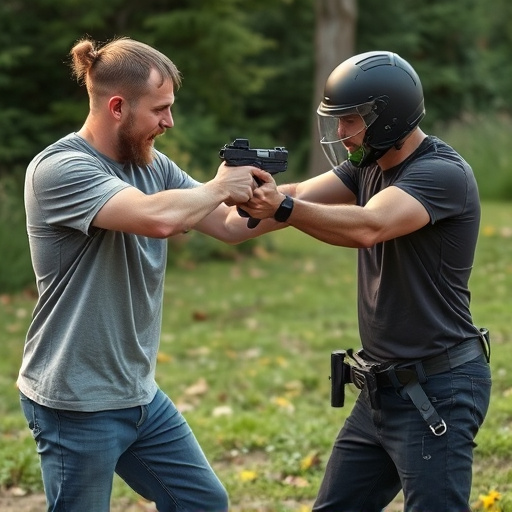
Non-lethal self-defense stun weapons have gained popularity as a viable option for personal protection. These devices, also known as electronic control devices (ECDs), utilize electrical discharge to incapacitate an attacker temporarily without causing permanent harm. The technology behind them has advanced significantly, allowing for more compact, portable, and powerful tools that are easily accessible to the general public.
Stun guns, tasers, and stun batons are common types of non-lethal self-defense weapons. Each offers unique features tailored to different situations. For instance, stun guns typically deliver a strong electrical pulse through a barrel, while tasers use two probes connected by wires to disrupt muscle control in the target. Stun batons, on the other hand, are designed for close-quarters combat and provide a powerful electric shock when struck against an attacker. Understanding these options and their applications can empower individuals to make informed choices for their safety.
Advantages and Limitations of Stun Devices

Stun devices, often referred to as non-lethal self-defense tools, offer several advantages in personal safety situations. These portable electrical discharge weapons are designed to incapacitate an attacker temporarily, providing users with time to escape or seek help. One of their key benefits is the reduced risk of causing permanent harm compared to lethal force options, making them appealing for individuals seeking effective yet legal means of self-defense. Stun guns, tasers, and stun batons are popular choices known for their ease of use; a simple trigger pull or push can deliver a powerful shock, disorienting and temporarily paralyzing the target.
However, it’s essential to consider limitations. These devices might not always guarantee a successful disablement due to various factors: weather conditions (rain or wetness can reduce effectiveness), physical attributes of the attacker (body type, muscle mass, and training can impact shock absorption), and distance (the closer the user is, the higher the likelihood of a successful discharge). Additionally, some individuals may develop immunity to stun devices over time, and they do not deter all types of attacks, especially from multiple assailants. Thus, while non-lethal self-defense stun weapons have their merits, users must remain cautious and aware that they are not foolproof solutions.
Legal Considerations and Safe Use Practices

When considering a non-lethal self-defense stun weapon, it’s crucial to understand the legal implications in your region. Laws regarding electrical personal defense devices vary widely, with some areas allowing their use only for law enforcement and others permitting them for civilians under specific conditions. Always check local regulations to ensure compliance; failure to do so could result in severe penalties, including fines and imprisonment.
Safe use practices are paramount when handling any self-defense tool. Training and understanding the device’s range, activation mechanisms, and safe storage are essential. Keep stun weapons out of reach of children and unauthorized individuals. Regularly inspect your device for any signs of damage or malfunction, and always follow manufacturer guidelines for charging and maintenance. Remember, while non-lethal self-defense stun weapons can provide a crucial layer of personal safety, they should be used responsibly and only as a last resort.
Personal defense is a serious matter, but opting for a non-lethal self-defense stun weapon can offer a safer alternative. These devices provide individuals with the means to protect themselves without causing permanent harm, as long as they are used responsibly. Understanding their advantages and limitations, along with adhering to legal considerations, ensures that citizens can empower themselves while minimizing risks. By choosing and employing non-lethal self-defense stun weapons thoughtfully, folks can foster a sense of security in today’s world.